March 12, 2025 · 6 min read · Fuel · GDI
Fuel system maintenance is not optional on modern engines
GDI, turbos, and a winter of short trips leave carbon where port injection used to wash it off. Here is the cheap habit that keeps the check-engine light off.
What changed
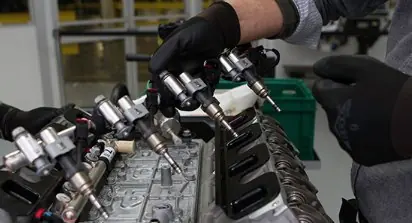
Older port-injected engines sprayed fuel onto the back of the intake valves. That fuel wash kept them relatively clean. Gasoline direct injection sprays into the cylinder at very high pressure. Power and economy go up. The intake valves stay dry, PCV oil vapor cooks onto them, and injectors live in a hotter neighborhood.
Ford EcoBoost, GM Ecotec, and a long list of Toyota, Subaru, and Hyundai engines run this architecture. In Alaska the problem accelerates: cold starts, short trips to the store, and winter fuel that does not always burn as cleanly as summer blend.
What deposits actually cost you
Injector deposits distort the spray pattern. Valve deposits restrict air. Chamber deposits create hot spots that the knock sensor then pulls timing to protect. Drivers feel it as lost mileage, a 10–14% power drop, rough idle, hesitation, and a light on the dash.
The 5,000-mile bottle
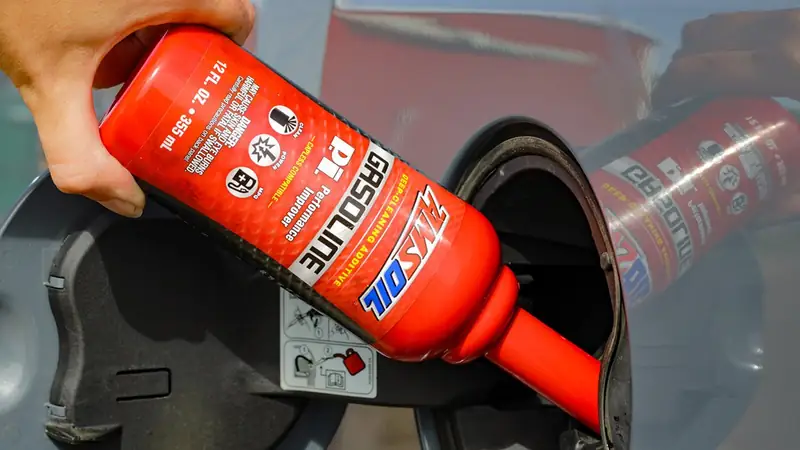
AMSOIL P.i. Performance Improver is a one-tank cleaner. Treat the tank every 4,000 to 5,000 miles — twice a year is a good Alaska rhythm, once before winter and once at breakup. Use it with Top Tier gasoline and a synthetic oil and you will notice easier cold starts and a smoother idle before you notice the mileage coming back.
It is cheaper than walnut-blasting intake valves, and it is the maintenance modern engines were designed around but rarely receive.
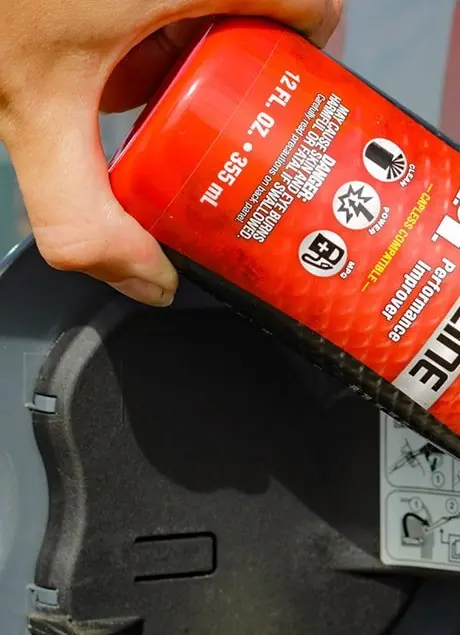
AMSOIL P.i. Performance Improver
The bottle this guide is about. Opens the AMSOIL store with 907 Synthetics as the dealer of record.
Shop P.i. Performance Improver